The Thrill of the Game
For many individuals, gambling is primarily driven by the thrill it provides. The adrenaline rush associated with placing a bet, spinning a roulette wheel, or drawing cards can be exhilarating. This psychological excitement often stems from the uncertainty of outcomes; the anticipation of winning creates a unique blend of suspense and exhilaration. Players exploring the excitement of the gamble often turn to online casino uk fast withdrawal options that enhance their experience and keep them engaged in the game. The excitement of the gamble often transcends the mere act of playing, becoming an experience in itself.
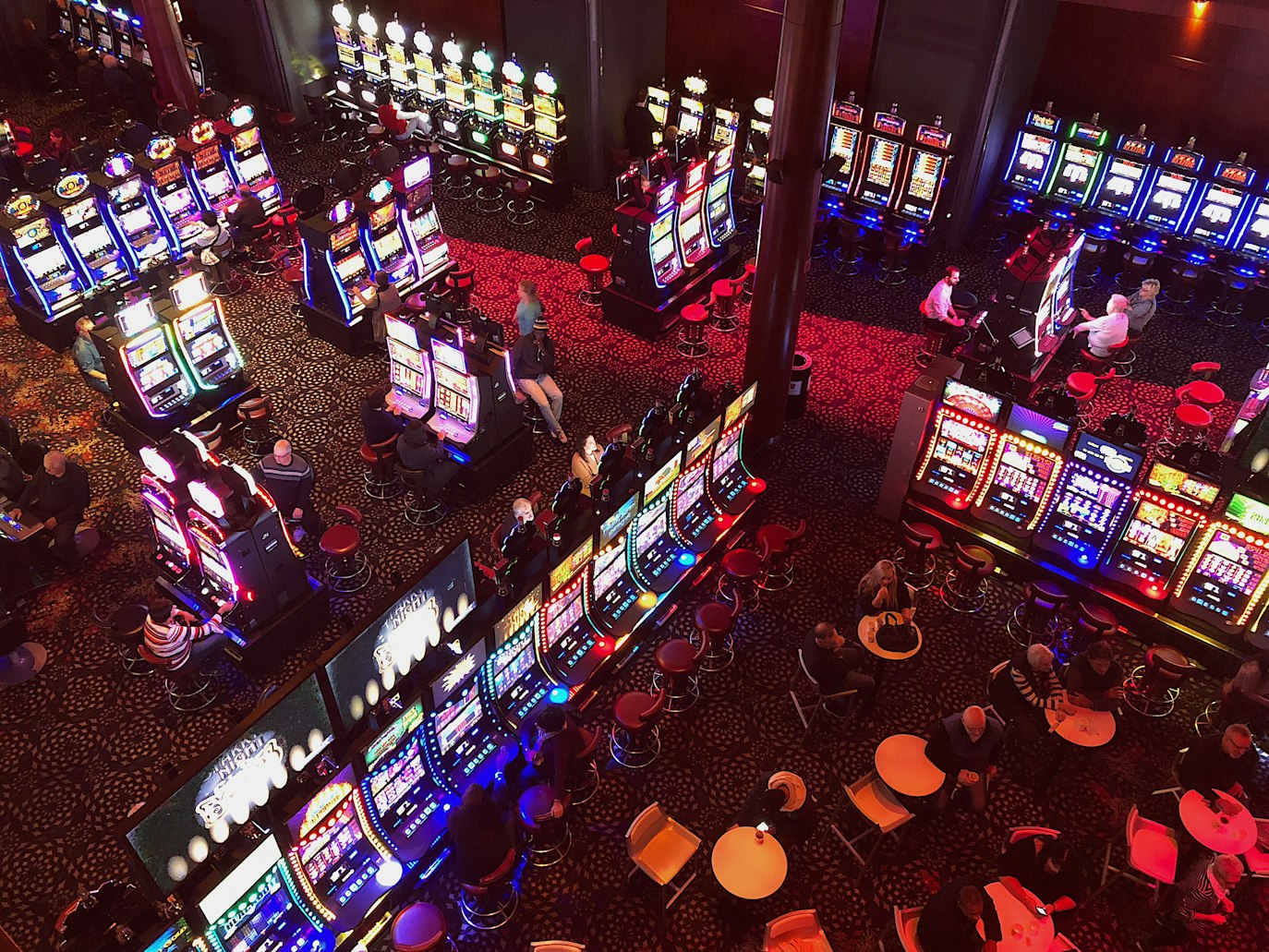
Moreover, the atmosphere of gambling venues amplifies this thrill. The sounds of slot machines ringing, the clinking of chips, and the cheers of other players contribute to an electrifying environment. This sensory overload enhances the feeling of excitement, making individuals feel like part of a larger community. When surrounded by others who share the same passion, players often find themselves lost in the moment, forgetting their daily worries. This communal experience reinforces their motivations to participate regularly, as they relish the shared joy and anticipation that gambling brings.
This thrill-seeking behavior can sometimes lead to increased risk-taking. Individuals might find themselves betting larger amounts in hopes of amplifying the excitement. The lure of a significant win can obscure rational thinking, leading some to chase losses or continue playing despite unfavorable odds. The emotional rollercoaster of gambling can be intoxicating, and understanding this psychological aspect is crucial for recognizing how the thrill of gambling can both attract and ensnare individuals, leading them down a path they may not intend to follow.
The Social Aspect of Gambling
The social dimension of gambling is another compelling motivation that drives individuals to gamble. Many people view it as a social activity, where they can gather with friends or family to enjoy games together. Whether it’s a night at a casino, a poker game at home, or participating in a sports betting pool, gambling often serves as a bonding activity. This communal experience can enhance relationships and create lasting memories, making it a significant draw for many. The laughter, camaraderie, and shared excitement can transform a simple game into an unforgettable event.
Furthermore, the social acceptance of gambling in many cultures contributes to its appeal. Events such as the Super Bowl or major horse races often encourage group betting, allowing friends and acquaintances to engage in friendly competition. This communal atmosphere can normalize the act of gambling, making it more enticing for newcomers who may be hesitant to explore it alone. As a result, many people are introduced to gambling through peer influence, further feeding into the desire to engage in these activities. The social validation received from participating in gambling can also amplify the enjoyment and willingness to continue.
While the social benefits of gambling are notable, they can also lead to negative consequences. Peer pressure can cause individuals to gamble more than they originally intended, contributing to financial distress. Additionally, when gambling becomes a primary social outlet, it can strain relationships with those who may not share the same interest, leading to conflicts. Understanding the dual nature of gambling’s social aspect is essential for recognizing its complexities and the motivations behind it. Awareness of these dynamics can help individuals navigate their social interactions and set healthy boundaries regarding gambling activities.
The Allure of Winning
One of the most prominent motivations for gambling is the chance of winning money. The prospect of hitting a jackpot or making a profitable bet can be immensely appealing. For some, the vision of a sudden financial windfall provides a powerful incentive to engage in gambling activities. This desire is not merely about the money itself but also about the potential for a lifestyle change or the fulfillment of dreams that a win could bring. The hope of a better future often fuels their desire to gamble, creating a compelling narrative that keeps them coming back.
Additionally, stories of people winning large sums of money can further fuel this motivation. Media coverage and anecdotes about jackpot winners create a narrative that suggests winning is not only possible but can also happen to anyone. This perception can lead individuals to believe that, with enough luck, they too could become a winner. The allure of these success stories can overshadow the reality that winning is infrequent, and the odds are typically not in the player’s favor. This optimistic mindset can create a cycle of gambling that is difficult to break, as hope continually drives participation.
The allure of winning can also lead to compulsive gambling behaviors. Many individuals may find themselves chasing losses, convinced that their next bet could be the one that turns their luck around. This cycle of hope and disappointment can embed itself deeply into a person’s life, causing them to gamble beyond their means in pursuit of a win. Recognizing the impact of this motivation is crucial for understanding both the attraction of gambling and the potential consequences of becoming too fixated on winning. Awareness of these risks can empower individuals to make more informed choices and seek help if needed.
The Escape from Reality
For some individuals, gambling serves as a form of escapism. Life can be stressful, and many people seek to temporarily escape from their problems by immersing themselves in the excitement of gambling. This need to disconnect from daily responsibilities and challenges can lead them to casinos or online betting sites where they can forget their troubles, even if only for a short time. Gambling can offer a distraction that feels invigorating, allowing players to momentarily step away from reality. The promise of excitement and the thrill of chance provide a compelling alternative to the stresses of everyday life.

The allure of gambling as an escape can be particularly strong for those facing personal difficulties, such as financial hardships, relationship problems, or feelings of isolation. These individuals might find solace in a game of chance, where the outcome is entirely out of their control. In this sense, it provides not just a break from reality but also a chance to experience the highs and lows of uncertainty without the immediate consequences of their personal lives. The temporary relief that gambling offers can be so appealing that it becomes a habitual response to stress and anxiety.
However, this motivation can also pose significant risks. Relying on gambling as a coping mechanism can lead to further problems, including addiction and financial distress. The initial escape may turn into a deeper struggle as individuals find themselves increasingly invested in their gambling habits, leading to a cycle that is hard to break. Understanding the motivations behind this escapism is vital for providing support to those who may be using gambling as a means of coping with life’s challenges. Creating awareness around healthier coping strategies can help prevent individuals from relying solely on gambling to escape their problems.
Exploring Resources for Gamblers
As gambling continues to captivate individuals across the globe, it’s essential to provide resources and support for those affected by its potential downsides. A wealth of information is available for individuals looking to understand their motivations, seek help for problem gambling, or explore safer gambling practices. Many organizations focus on education, prevention, and treatment for gambling-related issues, offering guidance and support to both gamblers and their families. These resources play a crucial role in promoting responsible gambling behaviors and reducing the stigma associated with seeking help.
Accessing these resources can empower individuals to make informed decisions about their gambling habits. Many websites provide tools such as self-assessment questionnaires, budgeting tips, and advice on how to enjoy gambling responsibly. These tools can help gamblers understand their motivations better and recognize when their behavior may be crossing the line into problematic territory. The ability to self-reflect and assess one’s gambling habits is a vital step toward maintaining control and ensuring a healthy relationship with gambling.
Additionally, support groups and counseling services are available for those who may need professional help. These services offer a confidential environment where individuals can share their experiences and gain insight from others facing similar challenges. By fostering a culture of openness and awareness around gambling, we can better equip individuals with the knowledge and resources needed to navigate their motivations and behaviors healthily and responsibly. Promoting these resources is essential for creating a supportive community that encourages responsible gambling practices and addresses the complexities of gambling motivations.